L’Algérie vue du Ciel (Algeria from Above), 90 minute film written and directed by Yann Arthus-Bertrand, Yazid Tizi, Michael Pitiot, images by Bruno Cusa, Christian Gaume and Tanguy Thuaud, narrated by Jalil Lespert, original score by Armand Amar.
Aerial stock footage library — from the Great South to the Mediterranean
Aerialcollection presents the footage from the film by Yann Arthus-Bertrand and Yazid Tizi, to discover this grandiose country, with extremely rare cultural and natural richness.
From North to South and from West to East, it is the daily life of an entire population that
the directors show us, whether they live in the hectic large coastal cities, the Atlas
mountains, the oases of the Sahara or the gentle hills of the Sahel.
Rich with a past where countless civilisations seem to have crossed paths, and a territory where every natural environment seems to exist, Algeria appears here in all its diversity and unity. The largest country in Africa, stretching from the Mediterranean coastline to the far reaches of the Sahara, Algeria offers a range of landscapes and cultures matched by few other nations.
Algiers and the coastal cities — A city of gleaming white buildings overlooking the bay, Algiers the White unfolds its Ottoman and colonial quarters down to the sea. Further west, Oran, a port city with a rich Spanish and Ottoman heritage, completes this portrait of a thoroughly Mediterranean, urban Algeria.
Kabylie — A mountainous region in the north of the country, Kabylie is defined by its perched villages, steep valleys and oak forests clinging to dramatic slopes, in stark contrast to the Saharan expanses to the south.
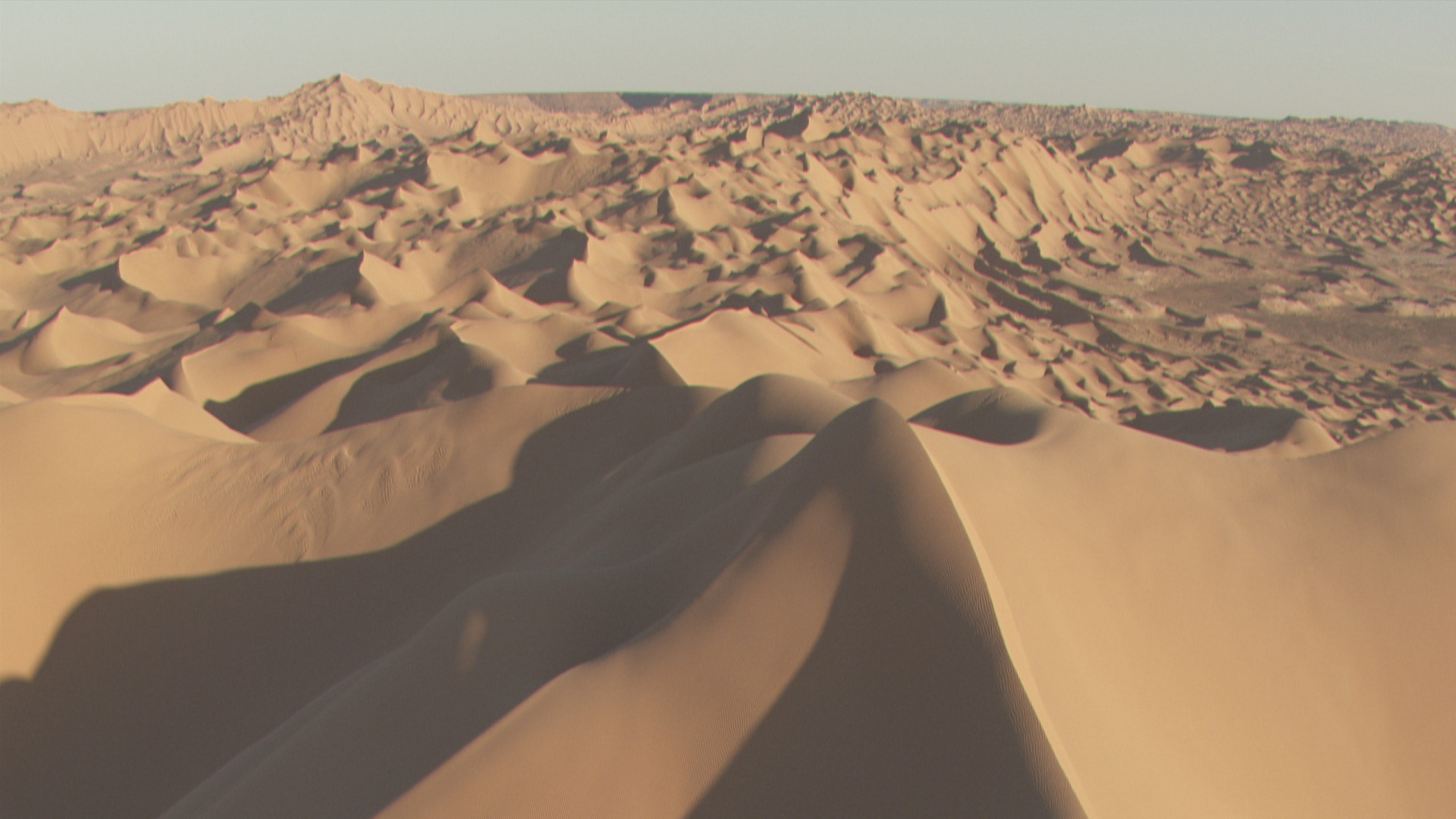
The Great Erg and its dunes — Further south, the desert reveals its vast seas of sand : the frozen waves of the Grand Erg Occidental and Grand Erg Oriental, sculpted by the wind into perfect ridges, rank among the most beautiful dune seas of the Sahara.
The red dunes of the Tadrart — In the far southeast of Algeria, near Djanet, the Tadrart unveils blazing dunes in shades of orange and red, surrounded by rock arches and sandstone formations carved by millennia of wind — one of the most spectacular landscapes of the central Sahara.
The Hoggar — A volcanic massif on the edge of the central Sahara, the Hoggar rises in black rocky peaks and basaltic cones above the desert, forming a lunar landscape shaped by ancient eruptions and millennia of erosion.
Djanet and Tuareg country — At the far edge of the Sahara, the Djanet region combines rocky desert, ancient rock engravings and a living Tuareg presence, testament to a nomadic civilisation shaped by the vastness of the Sahara.
Ghardaïa and the M'Zab Valley — An iconic ksour town, Ghardaïa and its UNESCO-listed terraced mudbrick ksour represent a remarkable example of Saharan urban planning, ingeniously designed to withstand the desert heat.
Aerial footage of Algeria